There is that one room in your Maryville home that never gets comfortable. The bonus room over the garage, the sunroom, the finished basement, or the addition a previous owner tacked on without running any ductwork to it.
You have tried window units and box fans, and you are tired of fighting it. Ductless AC is built for exactly this kind of problem. The Department of Energy notes that traditional ductwork can waste more than 30 percent of the energy used for cooling, and a ductless system skips that loss entirely. So is ductless AC the right choice for your home? Let us walk through when it fits and when it does not.
Key Takeaways
- Ductless AC, also called a mini split, cools your home without ductwork using an outdoor unit and indoor air handlers.
- It is an excellent fit for homes without ducts, additions, and rooms that never cool down.
- The Department of Energy notes ductwork can waste more than 30 percent of cooling energy, which ductless avoids.
- Room by room zoning lets you cool only the spaces you use, which lowers energy bills.
- The main trade offs are a higher upfront cost and visible indoor units.
Is Ductless AC the Right Choice for Your Maryville Home?

Ductless AC is the right choice for your Maryville home if you have no ductwork, a room that central air never reaches, or you want to control the temperature room by room. It is a strong fit for additions, older homes, and spaces a central system was never designed to cool. It is less ideal if your home already has good ducts and your only goal is the lowest possible upfront cost.
That answer covers most homeowners, but the details matter. A ductless system is an investment, and whether it pays off depends on your home’s layout, your current setup, and how you actually use your space. The sections below give you what you need to make the call with confidence.
What Is a Ductless AC and How Does It Work?
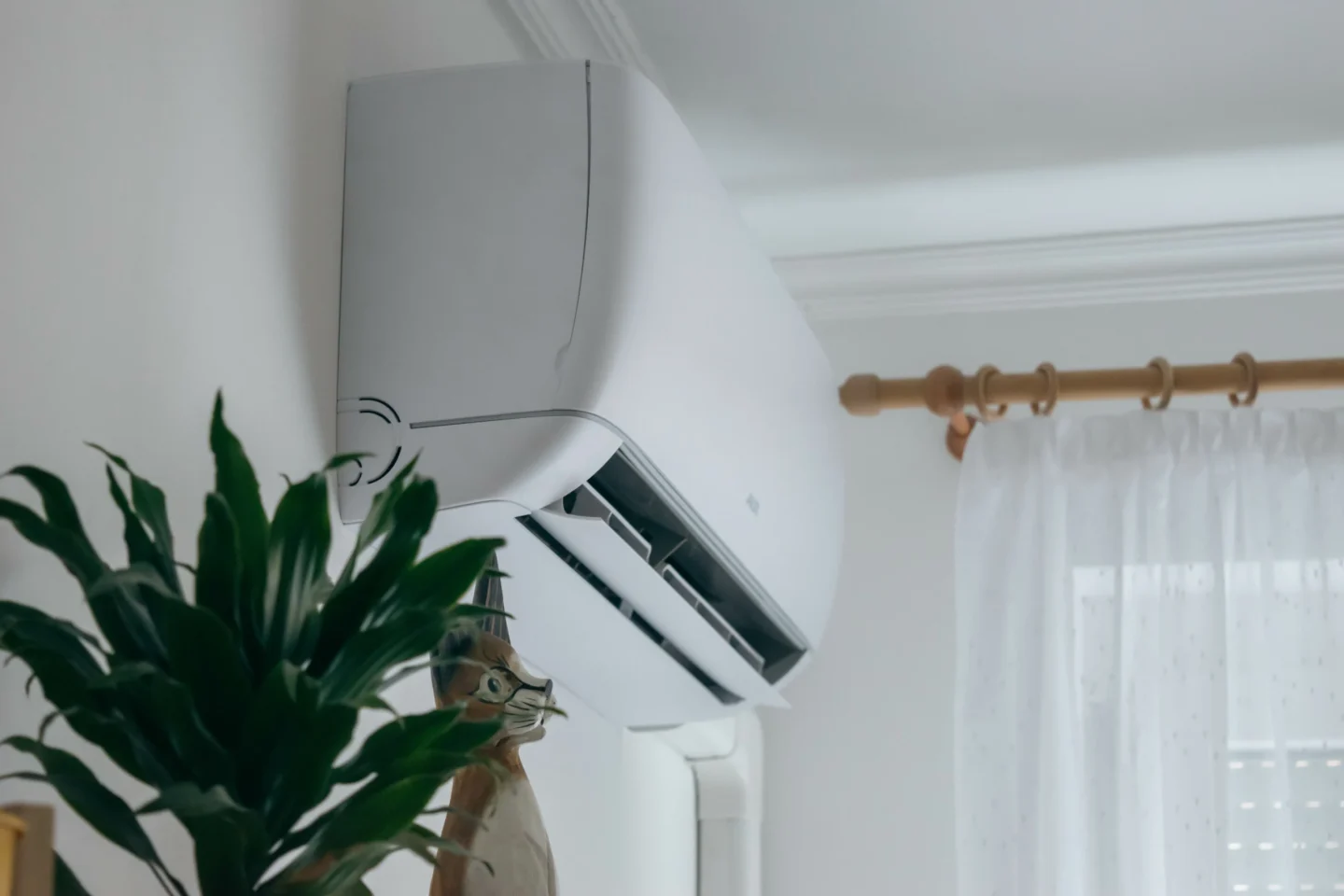
A ductless AC, often called a mini split, cools your home without any ductwork. It uses a small outdoor compressor unit connected to one or more indoor air handlers, usually mounted high on a wall. A thin line carrying refrigerant and wiring runs between them through a small hole in the wall, which is why installation is so much simpler than a ducted system.
Each indoor air handler cools the room it serves and has its own control. Instead of pushing cooled air through a network of ducts that lose energy along the way, the system delivers cooling right where the air handler sits. That direct approach is the source of most of the advantages below, starting with efficiency.
The Advantages of Ductless AC
Ductless systems solve several problems that central air struggles with. Here is what stands out most for Maryville homeowners.
Energy Efficiency
The biggest advantage is efficiency. Because there are no ducts, you avoid the energy losses that come with them, which the Department of Energy figure above puts at more than 30 percent of cooling energy in some homes. Add in the variable speed compressors most mini splits use, which ramp up and down instead of running full blast, and professional cooling services can help keep your system operating efficiently and your cooling costs under control.
Room by Room Zoning
A ductless system lets you set different temperatures in different rooms. Cool the bedroom for sleeping without freezing the rest of the house, or shut off cooling to rooms nobody uses. This zoning means you are not paying to cool empty space, which is something a single thermostat central system cannot offer.
Easy Installation
Putting in central ducts is a major project that can mean tearing into walls and ceilings. A ductless system needs only a small hole for the refrigerant line, so installation is faster and far less invasive. For a home or room with no existing ductwork, this is often the deciding factor.
Heating and Cooling in One
Most ductless systems are heat pumps, which means they cool in summer and heat in winter from the same equipment. For a Maryville home, that gives you year round comfort in a space that might otherwise need a separate heater, all from one efficient system.
Quiet Operation and Cleaner Air
Mini splits run quietly, with the loud compressor outside and only a soft hum from the indoor unit. They also filter the air they circulate, and because there are no ducts collecting dust, you avoid one common source of indoor air contaminants.
The Drawbacks to Consider
No system is perfect, and being honest about the trade offs helps you decide. Ductless AC has a few that matter.
The first is the upfront cost. A quality ductless system often costs more to install than adding a window unit or extending existing ductwork, though the energy savings recover some of that over time. The second is appearance, since the indoor air handler mounts visibly on your wall rather than hiding behind a vent. Some homeowners barely notice it, while others mind the look.
There is also the matter of whole home coverage. Cooling an entire house with ductless means installing multiple indoor units, one per zone, which adds to the cost. And like any HVAC equipment, the indoor units need their filters cleaned regularly to keep running efficiently. Regular Ductless Mini-Split Service can also help maintain system performance and address potential issues before they affect comfort. None of these are dealbreakers, but they are worth weighing against the benefits.
When Ductless AC Is the Right Choice for a Maryville Home
Ductless AC makes the most sense in specific situations. If any of these describe your home, it is worth a serious look:
- Your home has no ductwork, such as an older Maryville house with radiators or baseboard heat.
- You added a room like a sunroom, garage conversion, or bonus room that central air never reached.
- One or two rooms never get comfortable, running hot in summer no matter what the thermostat says.
- You want zoned control to cool only the spaces you use and lower your bills.
- You are supplementing central air, adding cooling to a problem area without replacing the whole system.
If your home already has solid ductwork and even cooling throughout, a standard central system may serve you fine. The clearest case for ductless is a comfort problem that ducts cannot easily solve.
A Real Maryville Ductless AC Story

Last summer, a homeowner off Vadalabene Drive in Maryville called B & W Heating & Cooling about a finished bonus room above their garage. The space ran ten degrees hotter than the rest of the house every afternoon, and the central system simply could not push enough cool air that far without ductwork in the addition.
After looking at the layout, our team recommended a single zone ductless mini split rather than the expensive and disruptive job of extending ducts into the room.
We installed the outdoor unit and a wall mounted air handler in an afternoon, with only a small hole needed for the line. The room held a steady, comfortable temperature for the first time, and the homeowner gained a usable space they had been avoiding all summer.
It is a textbook case for ductless. The problem was a single room with no practical way to add ducts, and a mini split solved it cleanly and efficiently.
Why Professional Installation Matters
A ductless system only delivers its efficiency and comfort when it is sized and placed correctly. An air handler that is too large short cycles and wastes energy, while one mounted in the wrong spot leaves part of the room uneven. Proper AC Installation involves sizing the unit to the space, positioning it well, and charging the refrigerant lines properly, all of which require a trained installer.
This is where working with the right team pays off. B & W Heating & Cooling holds a 4.8 star rating across more than 400 Google reviews from homeowners throughout the Metro East, and our team handles ductless mini split installation for Maryville and the surrounding area. We assess your space, recommend the right size and number of units, and install the system so it performs the way it should for years.
Deciding If Ductless AC Fits Your Maryville Home
Ductless AC is the right choice for your Maryville home when you are fighting a comfort problem that ductwork cannot easily fix: a room with no ducts, an addition, or a space that never cools down.
You gain efficiency, room by room control, and quiet, year round comfort, with the main trade offs being upfront cost and a visible indoor unit. Weigh those against your home’s layout and your goals, and the answer usually becomes clear.
The best way to know for sure is a quick look from someone who installs these systems in homes like yours. Call B & W Heating & Cooling at (618) 254-0645 or reach out online to talk through whether ductless AC fits your home and your budget. The right system in the right space changes how a room feels for good.
FAQ
Is ductless AC cheaper to run than central air?
Often, yes. Ductless systems avoid the duct losses that waste up to 30 percent of cooling energy in central systems, and their variable speed operation and room by room zoning cut waste further. You cool only the spaces you use, which usually lowers monthly bills.
Can one ductless unit cool a whole house?
A single ductless unit cools one zone, typically one room or an open area. To cool an entire home, you install multiple indoor air handlers connected to one or more outdoor units. A technician determines how many zones your home needs based on its layout and size.
How long does a ductless AC system last?
A well maintained ductless mini split typically lasts around 15 to 20 years, similar to or longer than central air. Regular filter cleaning and professional maintenance help it reach the upper end of that range and keep it running efficiently throughout its life.
Does ductless AC also provide heat?
Most ductless systems are heat pumps, so they both cool in summer and heat in winter from the same equipment. This makes them a year round comfort solution, which is especially useful for additions or rooms that lack their own heat source.
Are ductless mini splits noisy?
No, they are among the quietest cooling options. The loud compressor sits outside, and the indoor air handler produces only a soft, low hum. Most homeowners find them noticeably quieter than window units or a central system’s vents.